
Keeping your car’s interior fresh and germ-free is not just about aesthetics; it’s about creating a safe, healthy environment for you and your passengers. Imagine stepping into your car after a long day, only to be greeted by the unpleasant smell of old food crumbs or sticky surfaces. Yikes! Thankfully, with a bit of effort and the right tools, keeping your vehicle’s interior spotless and free of germs doesn’t have to be a daunting task.
In this article, we’ll dive into the world of hygiene and detailing, specifically focusing on how you can maintain a clean and germ-free car interior. Whether you’re a busy commuter or someone who spends a lot of time on the road, these tips will help you maintain a hygienic, safe, and pleasant environment.
Outline of the Article:
- Introduction
- Importance of car hygiene and detailing
- Benefits of a germ-free car environment
- Why Hygiene Matters in Your Car
- Impact on health and comfort
- Role of cleaning in reducing allergies and respiratory issues
- Common Germ Hotspots in Your Car
- Seats and upholstery
- Steering wheel and gear stick
- Door handles and seatbelts
- Choosing the Right Cleaning Supplies
- Eco-friendly options vs. chemical cleaners
- Essential tools for car detailing
- Step-by-Step Guide to Car Interior Detailing
- Vacuuming and dusting
- Cleaning hard surfaces
- Upholstery and carpet care
- How to Maintain a Germ-Free Car Interior
- Regular cleaning habits
- Preventing the buildup of germs and allergens
- Vehicle Detailing: An Extra Layer of Cleanliness
- What is vehicle detailing?
- How detailing helps in keeping germs at bay
- DIY vs. Professional Detailing: What’s Best?
- Pros and cons of DIY cleaning
- Why professional detailing might be worth the investment
- Hygiene Tips for Specific Areas
- Cleaning leather seats
- Dealing with pet hair and odors
- Dashboard and console care
- Cleaning Your Car in the Age of COVID-19
- Disinfecting your car effectively
- Keeping your car germ-free during a pandemic
- The Importance of Air Quality
- Cabin air filters and their role in hygiene
- Using air purifiers in your vehicle
- Maintaining a Fresh-Smelling Car
- Tips for odor removal
- How to prevent lingering bad smells
- Essential Hygiene Tools Every Car Owner Needs
- Must-have cleaning tools
- Top-rated disinfectants
- Common Mistakes to Avoid During Car Detailing
- Using the wrong cleaning products
- Over-wetting the upholstery
- Conclusion
- Recap of the importance of hygiene and detailing
- Final tips for maintaining a clean, germ-free car
Why Hygiene Matters in Your Car
Think of your car as a second home. It’s where you spend hours commuting, eating, and transporting passengers. But like any other environment, cars can become a breeding ground for germs, bacteria, and allergens. Over time, dust, food particles, sweat, and even bacteria can accumulate on various surfaces, affecting not only the appearance but also the health of everyone who spends time in it.
The interior of your car, especially the seats and floor mats, can host dust mites, mold, and other harmful microbes. A proper detailing regimen ensures that you eliminate these elements, creating a healthier space. By maintaining cleanliness, you can also reduce the risks of allergies, respiratory problems, and skin irritations that might arise from exposure to these hidden germs.
Common Germ Hotspots in Your Car
You might not think about it often, but your car is a hotbed for germs. Here are the most common hotspots:
Seats and Upholstery
Food spills, sweat, and dust are just the beginning. Your car seats, whether fabric or leather, harbor bacteria that multiply over time. These surfaces also trap dirt and crumbs, which can attract pests like ants and cockroaches.
Steering Wheel and Gear Stick
Your hands touch these frequently, and as a result, they can carry germs from other places into your vehicle. The steering wheel is touched every time you drive, and because it’s made of soft materials, it can absorb sweat and oils, making it a prime area for germs to accumulate.
Door Handles and Seatbelts
Think about how many times you grab the door handle or pull on a seatbelt while entering or exiting your vehicle. These high-contact areas are often overlooked but are perfect for harboring germs, especially in shared vehicles.
Choosing the Right Cleaning Supplies
When it comes to cleaning your car, not all cleaning products are created equal. Here are some important points to consider when choosing the best supplies:
Eco-friendly vs. Chemical Cleaners
Eco-friendly cleaners are a great choice because they are less harmful to both the environment and your health. On the other hand, chemical cleaners can be effective but often contain strong fragrances and toxins that can linger in your car and harm your respiratory system. Make sure to choose products that are safe for your car’s interior and your health.
Essential Tools for Car Detailing
Having the right tools makes the job much easier. Some must-have items include:
- A powerful vacuum cleaner
- Microfiber towels
- Upholstery cleaner
- All-purpose wipes
- Disinfecting sprays
- Leather conditioners
Step-by-Step Guide to Car Interior Detailing
Now let’s get to the nitty-gritty of detailing your car’s interior. Here’s a simple step-by-step guide to keeping things germ-free:
Vacuuming and Dusting
Start by vacuuming the carpets, floor mats, and upholstery. Pay close attention to hard-to-reach places like under the seats and between the cushions. Dust the dashboard, air vents, and the area around the gear stick.
Cleaning Hard Surfaces
Use a disinfecting wipe or an all-purpose cleaner to wipe down surfaces like the steering wheel, dashboard, and door handles. Don’t forget to clean your center console and cup holders as they can collect dust and spills.
Upholstery and Carpet Care
Fabric upholstery requires special care. Use a fabric cleaner or upholstery shampoo to lift stains and dirt. For leather seats, apply a suitable cleaner and conditioner to keep the material supple and germ-free.
How to Maintain a Germ-Free Car Interior
Maintaining a germ-free car involves developing regular cleaning habits. Try to vacuum and wipe down your car’s interior once a week. This will not only keep the germs at bay but also prevent odors from building up. You should also consider cleaning your air vents and replacing the cabin filter regularly to ensure better air quality inside the car.
Vehicle Detailing: An Extra Layer of Cleanliness
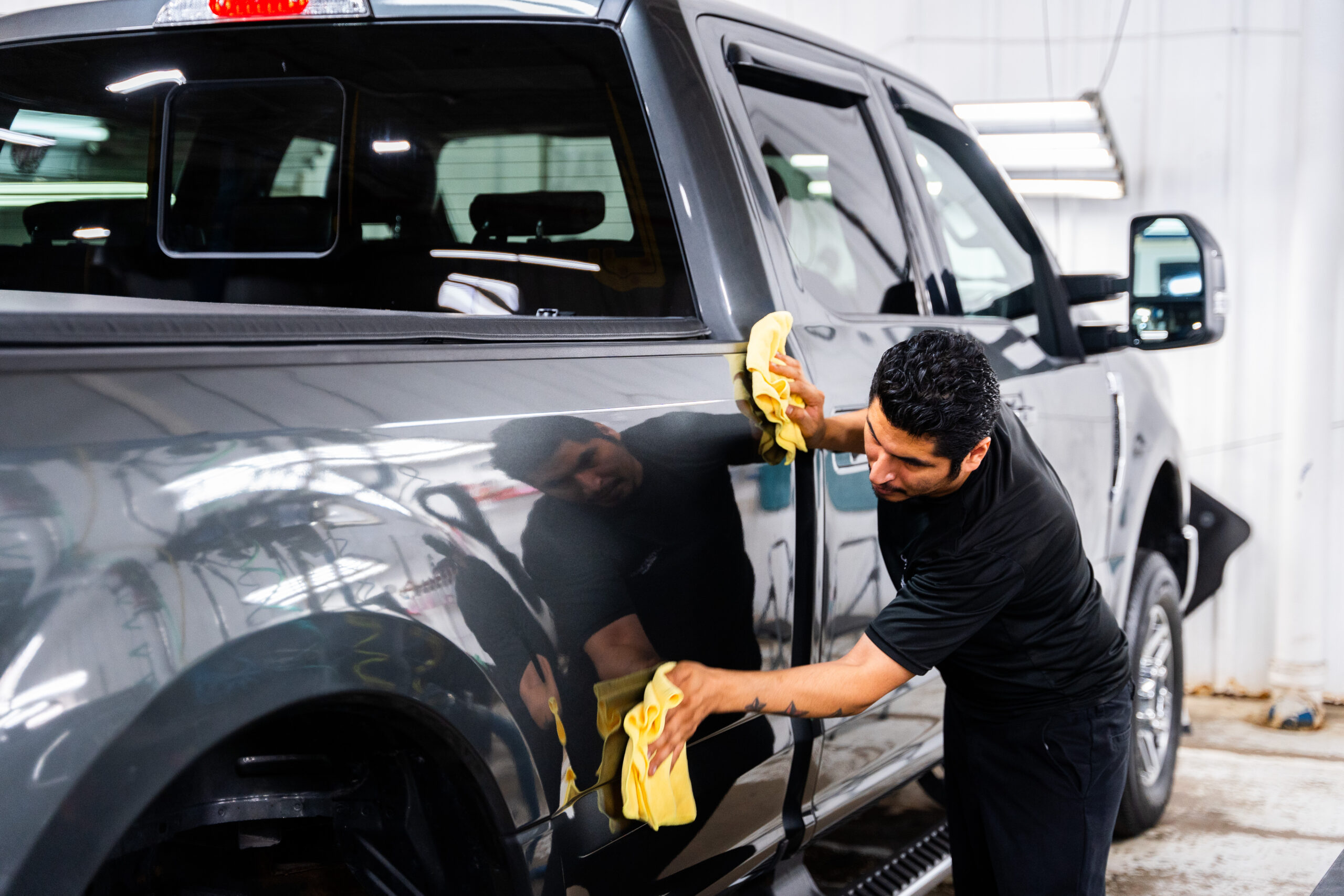
If you’re looking for an even deeper clean, consider vehicle detailing. This involves a thorough cleaning process that goes beyond basic vacuuming and wiping. Professional detailers use specialized products and techniques to clean every nook and cranny of your vehicle, from the carpets to the engine bay.
Vehicle detailing provides a level of cleanliness that’s hard to achieve with a DIY cleaning job, as it targets all areas, including the ones you often forget about. It’s an excellent way to ensure your car’s interior is not only clean but free from germs.
DIY vs. Professional Detailing: What’s Best?
While DIY cleaning is effective for regular maintenance, professional detailing is recommended for a more thorough deep clean. It’s perfect for those times when your car’s interior has accumulated heavy dirt, stains, or germs that need more than a basic cleaning.
Professional detailing services often provide additional treatments like upholstery protection, disinfecting, and odor removal, which may not be achievable with home methods.
Conclusion
Keeping your car interior clean and germ-free requires consistent effort, but the benefits far outweigh the time spent. By regularly cleaning high-touch areas, using the right cleaning supplies, and considering professional detailing services, you can ensure your vehicle stays fresh and hygienic. A clean car is not just about looks—it’s about health, comfort, and a more enjoyable ride.
FAQs
1. How often should I clean my car’s interior?
It’s recommended to clean your car’s interior at least once a week to keep it free from dirt, germs, and odors.
2. Can I use regular household cleaners for my car?
It’s better to use products specifically designed for cars, as household cleaners can damage the surfaces inside your vehicle.
3. How do I remove stubborn stains from upholstery?
Use a specialized upholstery cleaner and a soft brush to gently scrub the stain. Be sure to blot, not rub, to avoid pushing the stain deeper into the fabric.
4. Is professional detailing worth it?
Yes, professional detailing provides a more thorough clean than DIY methods, ensuring every area is disinfected and germ-free.
5. Can car detailing help with pet hair?
Yes, vehicle detailing services include specialized treatments for removing pet hair and odor from upholstery and carpets.